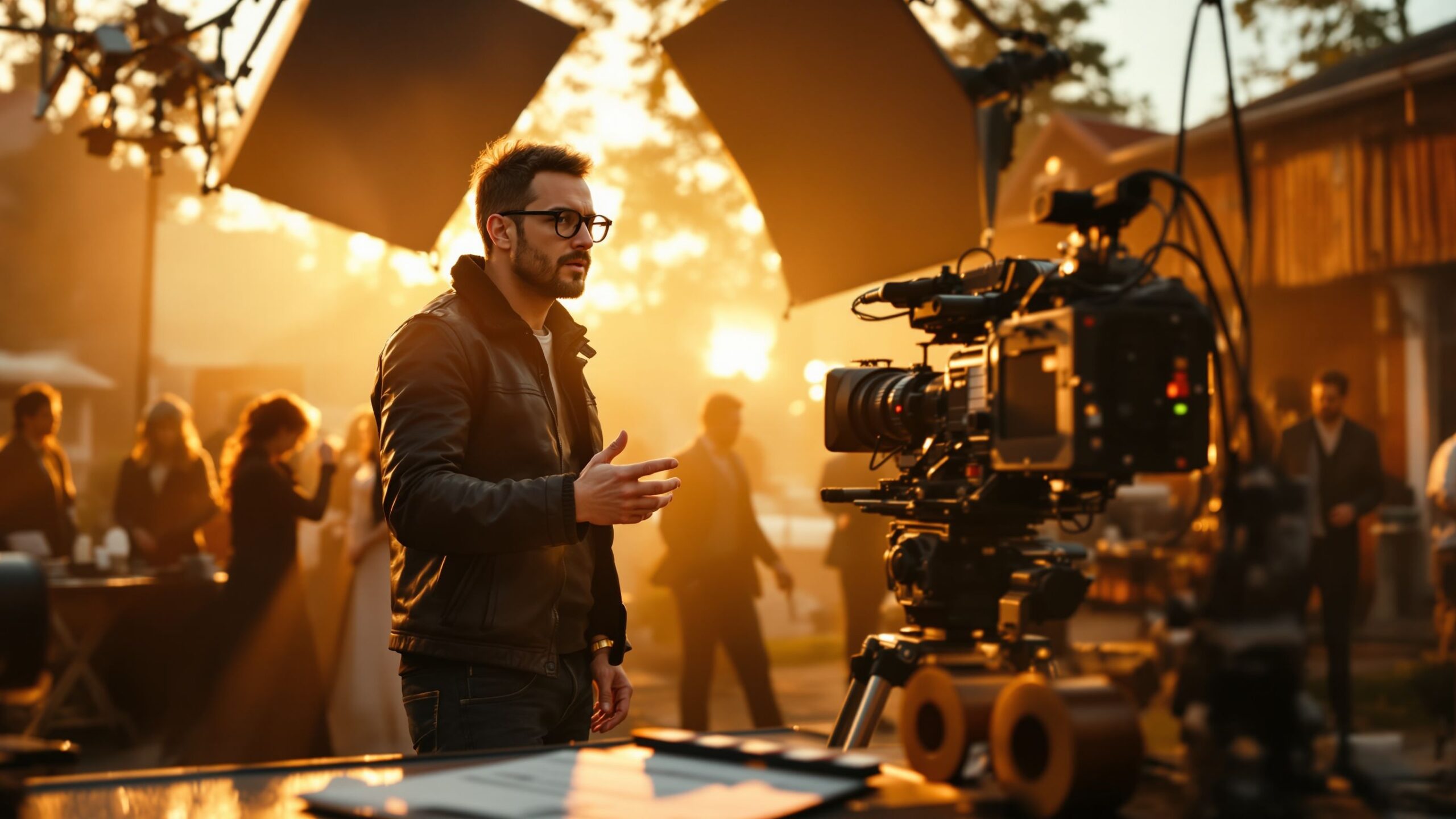
Modern cinema is shaped by directors who push storytelling, visual language, and emotional intensity in bold new directions. These ten techniques have become defining pillars of contemporary filmmaking, influencing everything from blockbusters to indie gems. Each one shapes how audiences see, feel, and interpret stories on the big screen.
A: Long takes, handheld realism, bold color, motivated camera moves, nonlinear storytelling, layered sound, dynamic blocking, visual motifs, natural light, and precise editing rhythms.
A: Look for recurring camera moves, color choices, shot compositions, themes, and pacing that show up across multiple films.
A: They remove the safety of cuts, forcing viewers to experience events in real time with sustained tension.
A: Not always; it’s powerful when used intentionally. Overuse can feel messy rather than immersive.
A: They ask whose perspective matters most in the moment and choose angles and lenses that express that viewpoint.
A: Style serves story and character; gimmicks call attention to themselves without deep narrative purpose.
A: The director is using pacing, silence, and stillness as deliberate tools to build mood and reflection.
A: Absolutely—changing shot order, duration, or reaction shots can shift tone from tragic to funny or hopeful.
A: Yes; many modern hits balance commercial expectations with distinctive visual and storytelling choices.
A: Rewatch favorite films with sound off or on pause, studying framing, color, and cuts to see how directors shape what you feel.
1. Immersive World-Building Through Visual Identity
Directors today craft worlds with unmistakable visual signatures. They combine color palettes, lighting styles, architecture, and costume language to create environments that feel both authentic and cinematic. Whether hyper-stylized or grounded in realism, these worlds pull viewers into the story’s emotional center and make the film instantly recognizable.
2. Long Takes and Fluid Camera Movement
Modern directors increasingly favor long, uninterrupted shots that allow scenes to breathe and performances to unfold naturally. These sequences heighten tension, showcase choreography, and give audiences a sense of being physically present. The fluidity of these takes creates a seamless immersive experience that replaces rapid cutting with elegance and clarity.
3. Character-Driven Action Design
Action scenes no longer exist just for spectacle. The best directors tie every stunt, chase, and fight directly to character psychology. Internal conflict becomes external motion, making action emotionally meaningful instead of purely visual. This shift creates sequences that advance the story rather than interrupt it.
4. Minimalist, Naturalistic Performance Direction
Modern cinema leans heavily into subtle, grounded acting. Directors encourage performers to strip away theatrics and rely on micro-expressions, silence, and authentic emotional beats. This allows viewers to connect with characters in a deeper, more intimate way.
5. Hybrid Genre Fusion
Many successful directors blend contrasting genres—drama with horror, comedy with action, sci-fi with romance. This fusion creates dynamic storytelling that keeps audiences engaged and broadens emotional range. It also gives films a signature tone that sets them apart in a crowded landscape.
6. Elevated Soundscapes and Sonic Storytelling
Sound has become a narrative force. Directors collaborate closely with sound designers to craft atmospheres that shape mood, tension, and pacing. Modern films use sound to foreshadow events, mirror character emotions, and heighten immersive realism. The line between score and environment often becomes intentionally blurred.
7. Symbolic and Thematic Visual Motifs
Contemporary directors embed repeated imagery or shapes throughout a film to reinforce themes. A color, object, or framing technique may appear during pivotal moments to signal transformation, foreshadowing, or emotional turning points. These visual motifs deepen subtext and reward attentive viewers.
8. Nonlinear Narrative Structures
Many modern directors break traditional chronological storytelling to explore time as a creative tool. Flashbacks, parallel timelines, nested memories, and perspective shifts build mystery and emotional complexity. When executed well, nonlinear structures add layers that turn simple plots into rich cinematic puzzles.
9. Practical-Effects Integration With CGI
Directors today understand that pure CGI often feels weightless. The most effective modern films blend practical effects, miniatures, prosthetics, and real environments with digital enhancements. This technique preserves tactile realism while still allowing for fantastical visuals, creating the perfect balance between authenticity and imagination.
10. Emotional Realism as the Core of Spectacle
The greatest modern directors anchor even the biggest, loudest films in emotional truth. Instead of relying on spectacle alone, they ensure that the audience feels the stakes at a personal level. When characters’ fears, hopes, and transformations drive the narrative, the spectacle resonates far more deeply.
Modern cinema is defined not just by technical innovation, but by directors who understand how every creative choice—from lens selection to sound design—shapes human connection. These techniques reveal why today’s most visionary filmmakers continue to redefine what the big screen can be.