

Set Design & Props is where imagination meets architecture, craftsmanship, and storytelling, transforming blank stages into living, breathing worlds. On Cinema Streets, this sub-category dives into the art of shaping environments—rooms that whisper secrets, hallways that build tension, city blocks constructed on soundstages, and props that become characters themselves. Every piece, from a hero’s signature object to a weathered storefront, helps define mood, personality, and narrative depth.
Here, readers can explore how production designers sketch blueprints of emotion, how prop masters age materials to perfection, and how scenic artists craft textures that feel real even under unforgiving lenses. Whether you’re fascinated by miniature models, period-accurate furnishings, or futuristic set builds, this space reveals the hidden labor that makes cinema immersive. Set Design & Props invites you to step into the workshop, breathe in the sawdust, and witness how worlds are built one detail at a time.
A: Set design covers the architecture and layout of the environment; set dressing is the furniture, decor, and small details that fill that space.
A: The prop master and their team manage sourcing, building, maintaining, and handing off all items that actors interact with on camera.
A: No—many are rented from prop houses or bought off-the-shelf, then modified, aged, or combined with custom pieces to fit the world.
A: They use props lists, labeled bins, continuity photos, and dedicated prop tables so every item has a home and a plan.
A: Layered dressing, believable wear-and-tear, and personal touches make spaces feel lived-in rather than showroom-perfect.
A: Often yes—conversations with actors and directors can refine how a character’s room, desk, or favorite object should feel.
A: Weapons, breakables, and moving set pieces are handled under strict safety protocols with stunt and effects teams on standby.
A: Absolutely—redressing, repainting, and rearranging walls can turn one stage build into several distinct story spaces.
A: Not always—miniatures, partial builds, and digital extensions are used when full-scale sets would be too costly or impractical.
A: Many start in theater, student films, or art departments as assistants, building portfolios with sketches, models, and hands-on build experience.
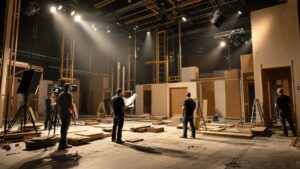
How Set Design Brings Movie Worlds to Life
Set design is the invisible force that transforms films into believable worlds. From atmospheric lighting and textures to carefully crafted environments, it shapes how audiences experience stories. Explore how filmmakers use set design to build immersive, emotional, and unforgettable cinematic realities.
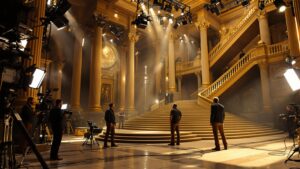
The Secrets Behind Hollywood’s Most Iconic Movie Sets
Hollywood’s most iconic movie sets didn’t just happen—they were carefully crafted through creativity, innovation, and meticulous detail. From legendary soundstages to immersive worlds, discover the behind-the-scenes secrets that transformed film history and brought unforgettable scenes to life.
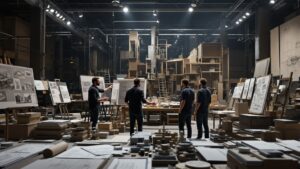
How Production Designers Create Entire Worlds From Scratch
Production designers are the architects of cinema, transforming scripts into immersive worlds. From concept sketches to fully built environments, discover how they craft believable settings that shape story, character, and emotion on screen.