

Cinema isn’t just seen—it’s felt. In Editing & Sound Design, we explore the delicate alchemy that turns raw footage into rhythm and silence into sensation. This is where storytelling breathes, where time bends, and where emotion finds its perfect tempo. Editors slice moments into meaning, shaping narrative flow and guiding the audience’s heartbeat. Sound designers layer the unseen—the creak of a door, the hum of neon, the echo of footsteps—to immerse us in worlds both real and imagined. Together, they transform fragments into fluid motion and chaos into cohesion. Here, we celebrate the unseen hands and unheard notes that elevate a film from sequence to symphony. Welcome to the hidden realm of cinematic rhythm—where sound meets story and every cut sings.
A: Preserved screen direction, motivated timing, and matching energy so the audience tracks intent, not technique.
A: For most scenes, picture first, then compose/spot to it; action set pieces may cut to precomposed beats.
A: Anchor around consistent dialog LUFS and mix everything else under it; clarity beats loudness.
A: Capture better production sound; if not possible, gentle multi-band denoise with artifacts checked against picture.
A: Only if they announce the edit—use them to reveal character psychology or spatial truth.
A: Long enough to deliver the turn; audience comprehension trumps exact metrics.
A: L-cuts sustain emotion from the previous scene; J-cuts prime expectation for the next.
A: Calibrate a repeatable monitor level so your balances translate across rooms.
A: Yes—fills micro-gaps and makes edits disappear; record at least 30–60 seconds per location.
A: Clean dialog first, then automate; resist slapping on heavy compression as a shortcut.
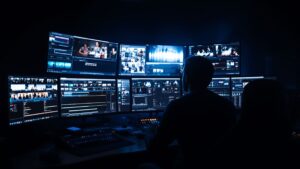
How Film Editing Completely Changes the Way a Movie Feels
Film editing is the invisible art that defines how a movie feels. From pacing to emotion, learn how editors turn footage into powerful storytelling.
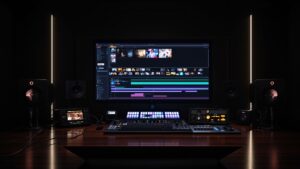
The Hidden Power of Film Editing That Audiences Never Notice
Film editing is the unseen force behind every great movie. Explore how editors quietly control emotion, tension, and storytelling in ways audiences rarely notice.
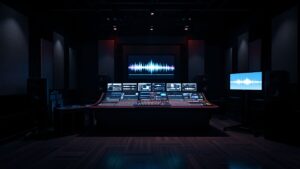
How Sound Design Makes Movies Feel Real
Sound design is the hidden force that brings movies to life. Learn how audio creates realism, emotion, and immersion beyond what visuals alone can achieve.