Hollywood has always been a dream factory, but behind every unforgettable scene lies a carefully constructed reality. The most iconic movie sets in film history are not just backdrops—they are immersive worlds built with precision, creativity, and a deep understanding of storytelling. From sweeping fantasy landscapes to hauntingly realistic interiors, these sets shape how audiences experience cinema. They pull viewers into the story, making the impossible feel tangible and the fictional feel real. The secrets behind these legendary creations reveal a fascinating blend of artistry, engineering, and innovation that continues to define modern filmmaking.
A: A set becomes iconic when it is visually unforgettable, emotionally powerful, and deeply connected to the story.
A: Some are real locations, but many are built on soundstages, backlots, or combined with digital environments.
A: They are designed for camera angles, lighting, movement, mood, and storytelling rather than everyday function.
A: A backlot is an outdoor studio area with streets, building fronts, and reusable locations that can be redressed for different films.
A: They use aging, distressing, dust, stains, chipped paint, faded fabric, and carefully placed clutter.
A: Props add personality, history, clues, symbolism, and physical interaction for actors.
A: Directors guide the vision, but production designers and art departments create the detailed physical world.
A: They may be stored, reused, repainted, displayed, sold, archived, or torn down.
A: Yes. Size, color, shape, texture, and layout can make a scene feel romantic, frightening, lonely, magical, or tense.
A: Because those spaces become tied to powerful scenes, beloved characters, and the emotional identity of the film.
The Power of First Impressions in Set Design
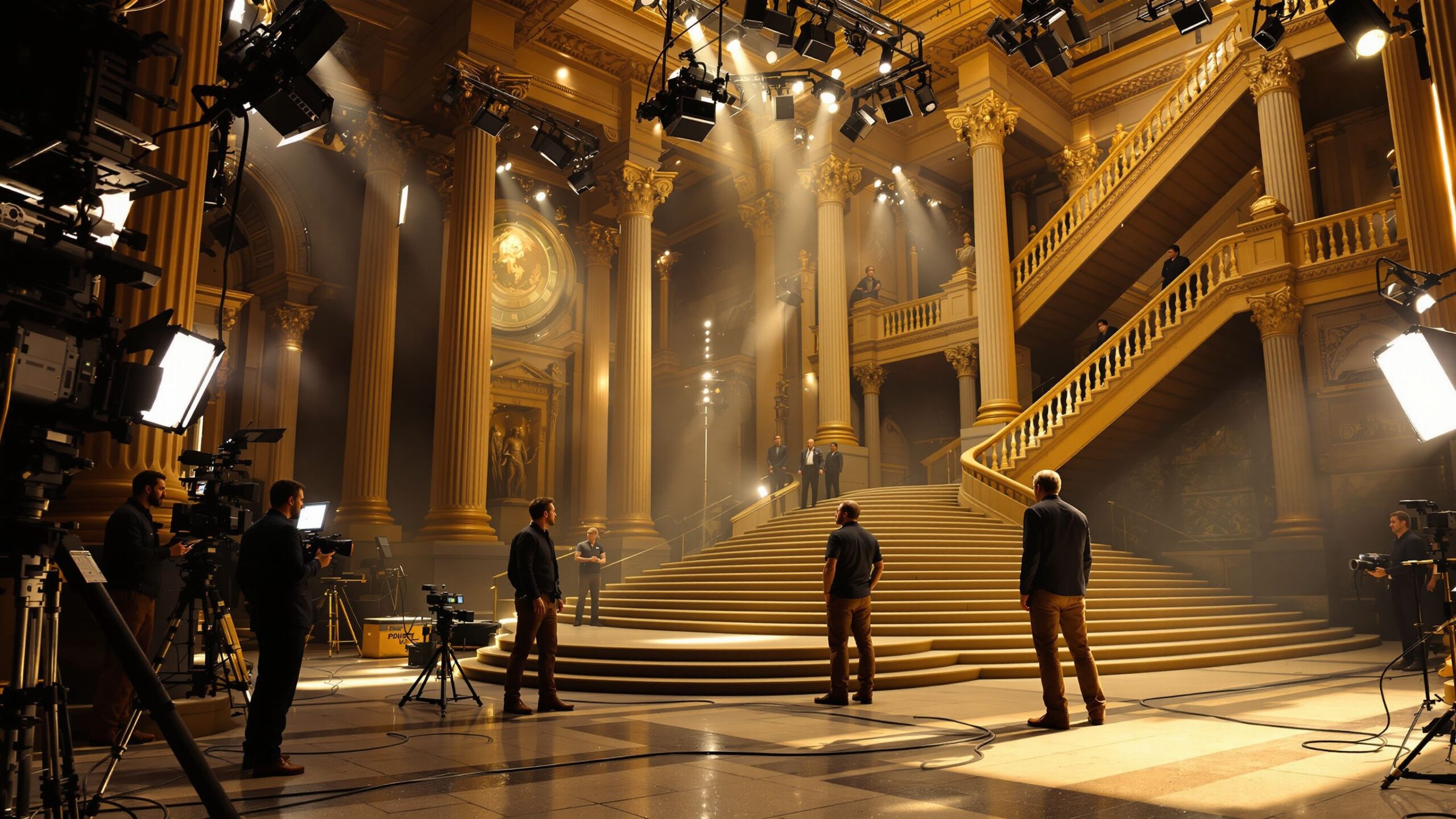
When audiences first step into a film’s world, it is often the set that captures their attention before anything else. The scale, color, and detail of a set immediately communicate tone and genre. Iconic movie sets are designed to make a powerful first impression, establishing a visual identity that stays with viewers long after the film ends. Whether it’s an enormous palace, a futuristic city, or a quiet suburban home, the set must instantly feel believable and engaging.
This initial impact is not accidental. Designers carefully consider how each element will be perceived on screen. They use perspective, lighting, and composition to guide the audience’s eye and create a sense of depth. Even subtle details, such as the placement of furniture or the texture of walls, contribute to the overall impression. The goal is to create a space that feels alive, drawing viewers into the story from the very first frame.
Hidden Layers of Detail That Tell a Story
One of the biggest secrets behind Hollywood’s most iconic sets is the incredible level of detail that goes into their creation. These environments are often filled with elements that audiences may not consciously notice but still feel. Every object, from books on a shelf to scratches on a table, is chosen or designed with purpose.
These details help build authenticity. A lived-in space feels real because it reflects the habits and history of its inhabitants. Designers often create backstories for sets, imagining who uses the space and how it has evolved over time. This approach allows them to add layers of realism that enrich the narrative. Even if viewers don’t notice every detail, they subconsciously absorb the information, making the world feel more believable.
In many cases, these hidden details also serve as storytelling tools. They can foreshadow events, reveal character traits, or reinforce themes. A single object placed in the right location can carry significant meaning, adding depth to the story without requiring dialogue.
The Art of Illusion and Forced Perspective
Hollywood has long relied on clever illusions to create environments that appear larger, grander, or more complex than they actually are. One of the most effective techniques used in set design is forced perspective. By manipulating the size and placement of objects, designers can create the illusion of depth and scale within a limited space.
This technique allows filmmakers to build massive-looking environments without the need for enormous sets. Walls may be angled slightly, objects may decrease in size as they move farther away, and architectural elements may be exaggerated to enhance the sense of scale. When combined with strategic camera angles, these tricks create convincing illusions that fool the audience’s eye.
The art of illusion extends beyond perspective. Paintings, miniatures, and digital extensions are often used to enhance sets. Matte paintings, for example, can add entire landscapes or cityscapes to a scene, blending seamlessly with practical elements. These techniques demonstrate how creativity and technical skill work together to achieve cinematic magic.
Practical Effects vs. Digital Enhancements
Another secret behind iconic movie sets is the balance between practical construction and digital technology. While modern filmmaking often relies heavily on computer-generated imagery, many of the most memorable sets are rooted in practical design. Physical sets provide a level of authenticity that is difficult to replicate digitally.
Actors perform differently when they can interact with real environments. The weight of a door, the texture of a wall, and the presence of physical objects all contribute to more natural performances. These tangible elements also enhance the visual realism of a scene, as they respond to light and movement in ways that feel genuine.
Digital enhancements are often used to expand or refine these practical sets. They can add scale, complexity, and visual effects that would be impossible to achieve physically. The most successful films blend these approaches seamlessly, using practical sets as a foundation and digital tools to enhance the final result.
The Role of Color and Texture in Iconic Sets
Color and texture play a crucial role in defining the look and feel of a movie set. Designers use these elements to create mood, highlight themes, and guide the audience’s emotional response. Iconic sets often feature carefully curated color palettes that reflect the tone of the film.
Warm colors can create a sense of comfort or nostalgia, while cooler tones may evoke tension or isolation. Contrasting colors can draw attention to specific elements, helping to focus the viewer’s attention. Texture adds another layer of depth, making surfaces feel real and tactile. Rough, worn textures suggest history and age, while smooth, polished finishes convey modernity and control.
These choices are not just aesthetic; they are deeply connected to storytelling. The way a set looks can influence how audiences interpret a scene, adding meaning and emotion without the need for words.
Collaboration: The Secret Ingredient
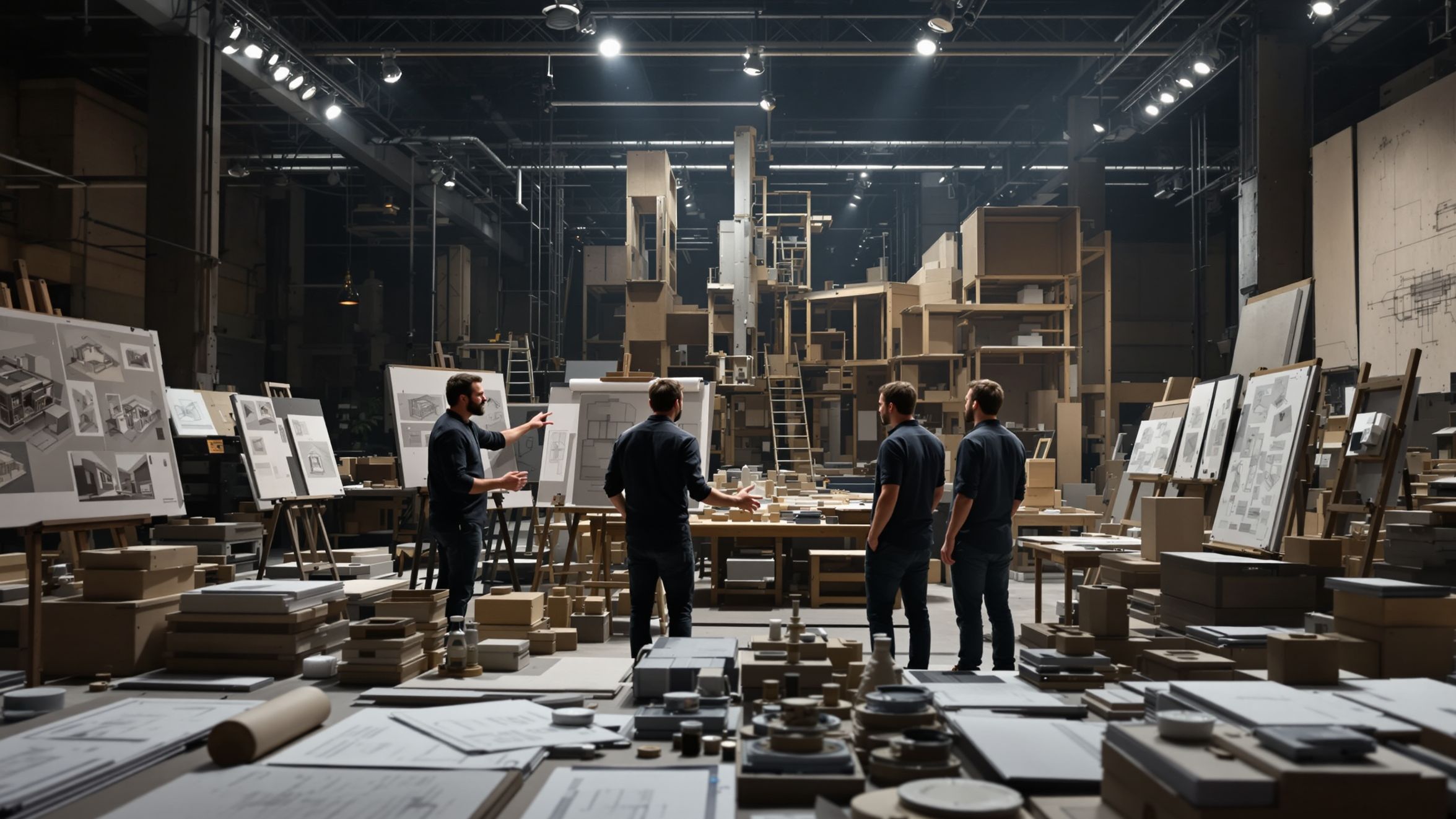
Behind every iconic movie set is a team of talented professionals working together to bring a vision to life. Production designers, art directors, set decorators, prop masters, and construction crews all contribute to the final result. Each member of the team plays a specific role, ensuring that every aspect of the set is carefully crafted and cohesive.
Collaboration extends beyond the art department. Directors, cinematographers, and costume designers all work closely with set designers to create a unified visual style. Lighting, camera angles, and wardrobe choices must align with the set to achieve the desired effect. This level of coordination is essential for creating environments that feel authentic and immersive.
The success of a set often depends on how well these departments communicate and collaborate. When everyone is aligned, the result is a seamless world that supports the story and enhances the overall cinematic experience.
Real-World Inspiration and Research
Many of Hollywood’s most iconic sets are inspired by real-world locations. Designers often draw from architecture, history, and culture to create environments that feel authentic. Even in fantasy or science fiction films, elements of the real world are used as a foundation for design.
Research is a critical part of this process. Designers study historical periods, cultural practices, and architectural styles to ensure accuracy and believability. They may visit real locations, analyze photographs, and consult experts to gather information. This attention to detail helps create sets that resonate with audiences, making them feel grounded in reality.
At the same time, designers are not limited by reality. They often take creative liberties to enhance the visual impact or support the narrative. This blend of realism and imagination is what makes iconic sets so compelling.
The Psychology of Space and Emotion
One of the lesser-known secrets of set design is its impact on psychology. The way a space is designed can influence how audiences feel and respond to a scene. The size, layout, and proportions of a set can create a sense of intimacy, tension, or grandeur.
Tight, enclosed spaces can evoke feelings of claustrophobia or unease, while open, expansive environments can create a sense of freedom or isolation. The arrangement of objects within a space can also guide the viewer’s attention, subtly directing focus to important elements.
Designers use these psychological principles to enhance storytelling. By shaping the environment, they can influence how audiences perceive characters and events. This subtle manipulation adds depth to the narrative, making the experience more engaging and emotionally impactful.
Craftsmanship and Innovation in Set Construction
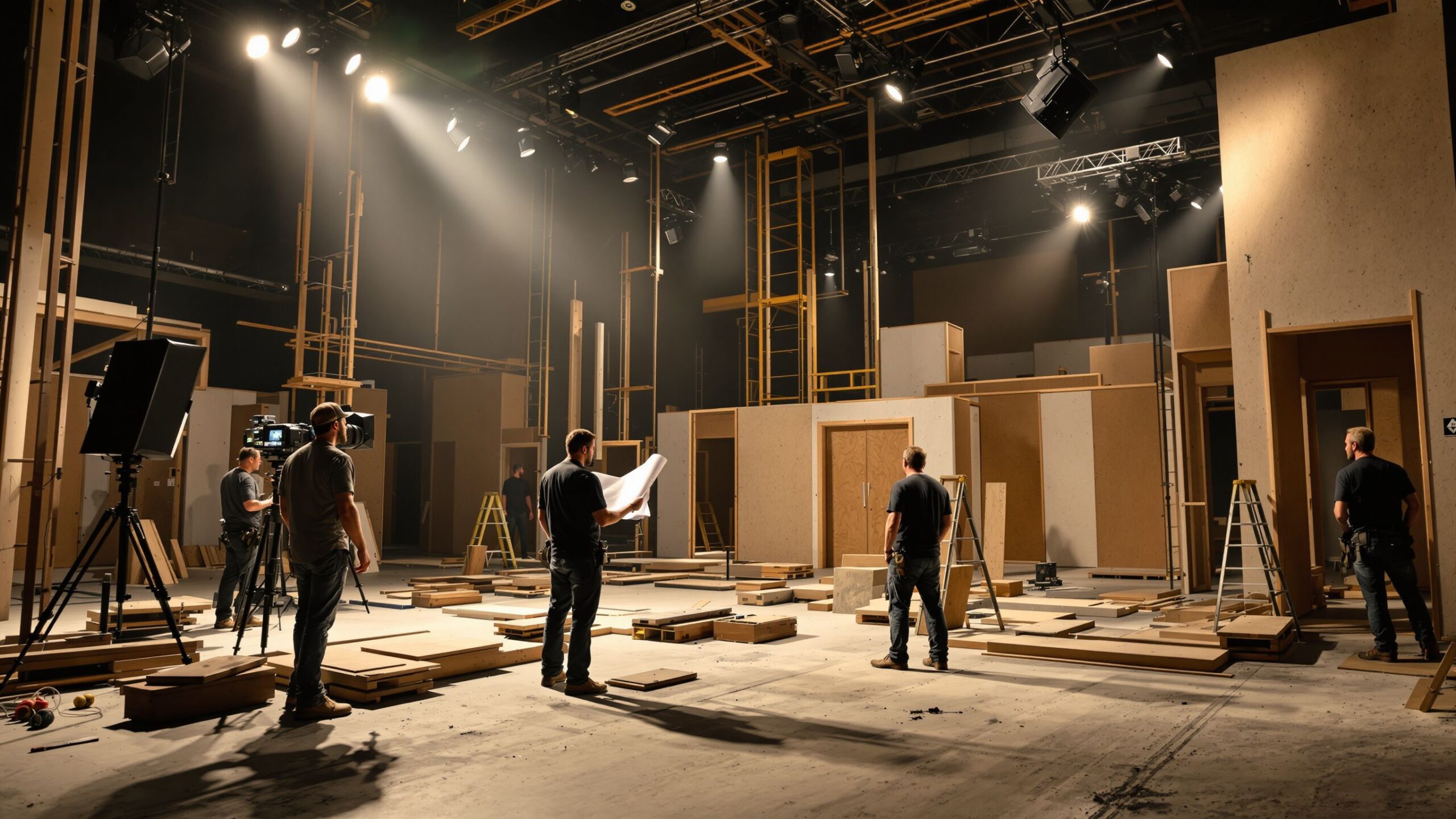
Building iconic movie sets requires a combination of traditional craftsmanship and modern innovation. Skilled artisans construct everything from intricate architectural details to large-scale structures. These sets must not only look realistic but also be functional for filming.
Construction teams use a variety of materials and techniques to achieve the desired effect. Lightweight materials may be used to create the illusion of heavy structures, while modular designs allow sets to be reconfigured as needed. Safety is also a key consideration, as sets must support actors and equipment.
Innovation plays a significant role in modern set design. New technologies, such as 3D printing and virtual production, have expanded the possibilities of what can be created. These tools allow designers to experiment with new ideas and push the boundaries of visual storytelling.
Why Iconic Sets Stay With Us
The most iconic movie sets have a lasting impact because they are deeply connected to the stories they support. They become part of the film’s identity, shaping how audiences remember and interpret it. These environments are not just visually impressive; they are emotionally resonant.
A great set can transport viewers to another world, making them feel like they are part of the story. It can evoke memories, trigger emotions, and create a sense of wonder. This emotional connection is what makes certain sets unforgettable.
Iconic sets also influence popular culture, inspiring other filmmakers, artists, and designers. They set new standards for creativity and innovation, pushing the industry forward. Their legacy continues to shape the future of cinema, proving that set design is one of the most powerful tools in filmmaking.
The Magic Behind the Scenes
The secrets behind Hollywood’s most iconic movie sets reveal a world of creativity, precision, and collaboration. These environments are carefully crafted to support storytelling, enhance emotion, and create immersive experiences. From hidden details and clever illusions to the balance of practical and digital techniques, every aspect of set design contributes to the magic of cinema.
While audiences may not always notice the work that goes into these sets, they feel its impact in every scene. The worlds created on screen become places we remember, revisit, and cherish. They remind us of the power of imagination and the artistry that brings it to life.
In the end, the true secret of iconic movie sets is their ability to make the unreal feel real. Through dedication, innovation, and a deep understanding of storytelling, set designers transform empty spaces into unforgettable worlds, proving that behind every great film is a world built with purpose and passion.