Cinema is often described as a window into another world, but what makes that window believable is not just the story or the actors—it is the environment that surrounds them. Set design, sometimes overlooked by casual viewers, is one of the most powerful storytelling tools in filmmaking. It transforms empty soundstages into living, breathing worlds, shaping the way audiences feel, think, and immerse themselves in a film. From grand fantasy kingdoms to quiet suburban homes, set design builds the reality that characters inhabit, grounding even the most extraordinary narratives in something tangible. At its core, set design is the art of creating physical environments for film. It involves everything from architectural layout and furniture selection to textures, colors, and props. These elements work together to establish mood, communicate character, and support the narrative without ever needing to say a word. A well-designed set doesn’t just look good—it tells a story of its own, often revealing layers of meaning that dialogue alone cannot express.
A: Set design is the creation of the physical spaces where scenes happen, including rooms, streets, buildings, and imagined worlds.
A: The production designer usually leads the overall visual design, working with the director and art department.
A: A set decorator chooses and places furniture, objects, textures, and details that make a space feel real.
A: Sometimes, but many are built on soundstages or combined with real locations and digital extensions.
A: Camera angles, lighting, forced perspective, and visual effects can make spaces appear larger.
A: Color, shape, texture, lighting, and layout can make a scene feel romantic, dangerous, lonely, magical, or tense.
A: Props add story clues, personality, realism, and interaction for the actors.
A: Sometimes. Sets may be adjusted so actors can move naturally, perform safely, or connect emotionally with the space.
A: It feels specific, believable, beautiful, and deeply connected to the story.
A: Yes. A character’s home, workplace, or private objects can reveal their fears, dreams, habits, and secrets.
The Foundation of Visual Storytelling
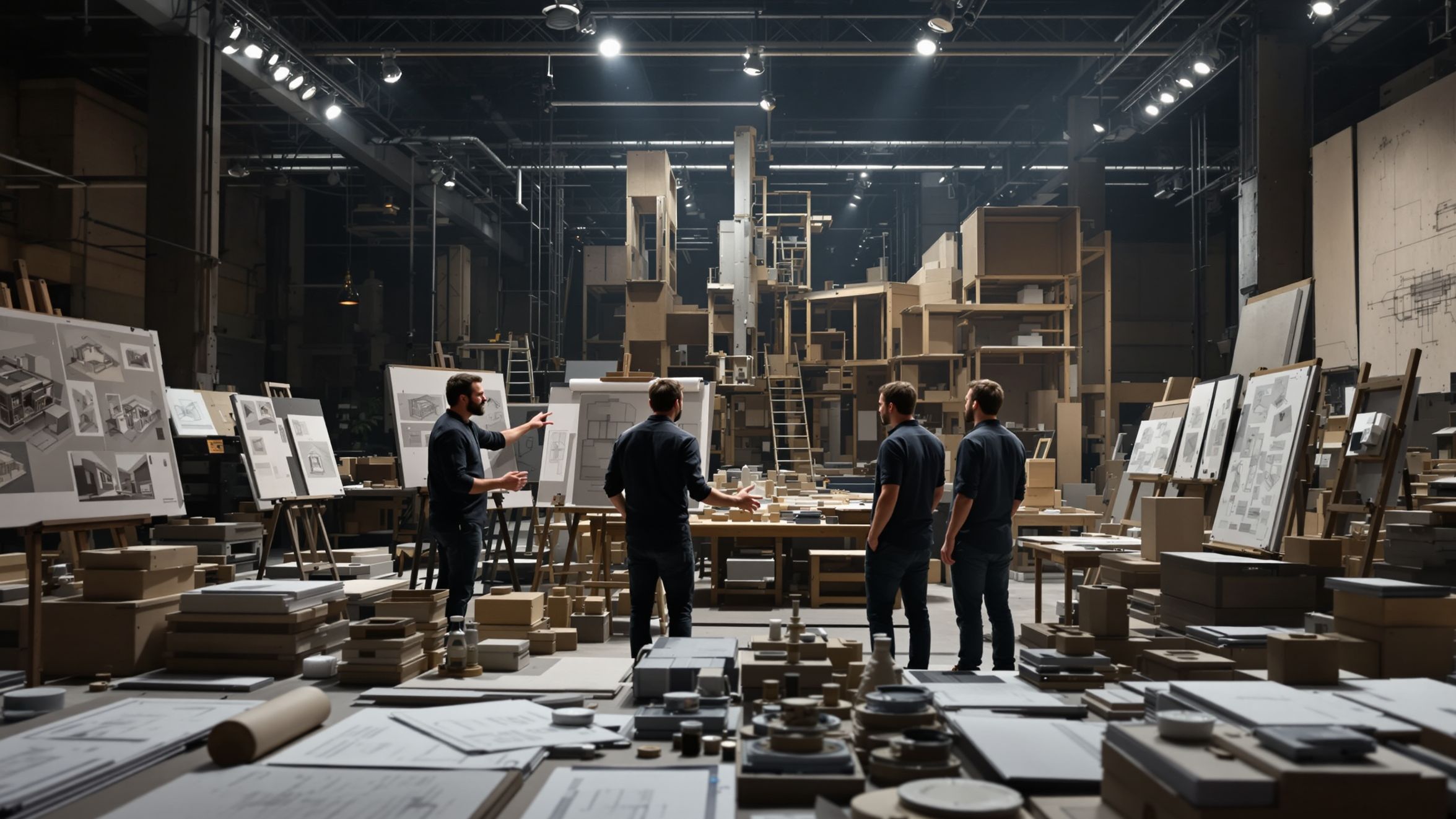
Every film begins with a vision, and set design is one of the first steps in bringing that vision to life. Before cameras roll, production designers collaborate with directors to define the look and feel of the film’s world. This process often starts with concept art and sketches that explore how spaces should appear and function. These early designs serve as a blueprint, guiding construction teams, decorators, and prop masters as they build the physical sets.
Set design plays a crucial role in visual storytelling because it establishes context. The audience needs to understand where they are and what kind of world they are entering within seconds. Whether it’s a futuristic cityscape or a rustic farmhouse, the set communicates essential information instantly. This visual clarity allows viewers to focus on the story while subconsciously absorbing the details that make the environment believable.
Creating Atmosphere Through Design
Atmosphere is one of the most powerful aspects of filmmaking, and set design is at the heart of it. The materials used, the lighting conditions, and the arrangement of objects all contribute to the emotional tone of a scene. A dimly lit room with worn furniture can evoke feelings of loneliness or decay, while a bright, open space filled with natural light can create a sense of hope and possibility.
Texture and color are particularly important in shaping atmosphere. Rough, aged surfaces suggest history and hardship, while sleek, polished finishes imply modernity and control. Color palettes can subtly influence how audiences perceive a scene. Warm tones might create comfort or nostalgia, while cool tones can evoke tension or detachment. These choices are rarely accidental; they are carefully planned to align with the film’s themes and emotional arc.
Building Worlds That Feel Real
One of the greatest challenges in set design is creating worlds that feel authentic, even when they are entirely fictional. This requires a deep understanding of how real environments function. Designers study architecture, cultural influences, and historical details to ensure that every element makes sense within the context of the story.
In fantasy and science fiction films, this task becomes even more complex. Designers must invent entire worlds from scratch while maintaining a sense of internal logic. Every object, from furniture to technology, must feel like it belongs in that universe. Consistency is key. If something feels out of place, it can break the audience’s immersion and remind them that they are watching a constructed reality.
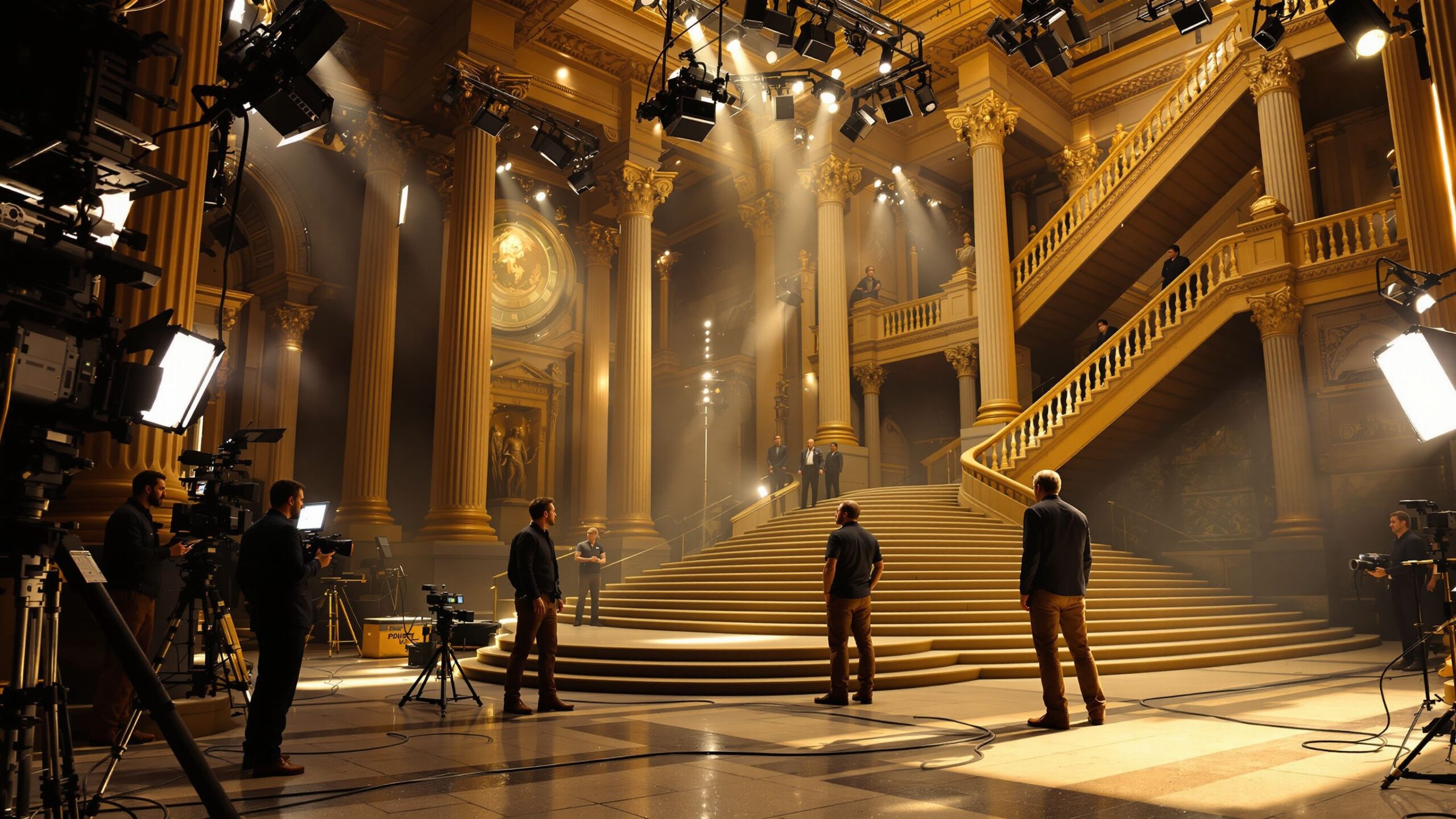
Practical sets often play a significant role in achieving this realism. While digital effects can enhance environments, physical sets provide actors with something tangible to interact with. This physicality translates on screen, making performances feel more grounded and believable. The subtle details—like the way light hits a surface or how objects cast shadows—are often more convincing when captured in-camera.
The Role of Set Design in Character Development
Set design doesn’t just define the world; it also defines the people who live in it. A character’s environment can reveal their personality, background, and emotional state without the need for exposition. The way a room is arranged, the objects it contains, and even its level of cleanliness can tell a story about who occupies that space.
For example, a cluttered room filled with personal items might suggest a character who is sentimental or disorganized, while a minimalist space with carefully curated objects could indicate someone who values control and precision. These visual cues help audiences understand characters on a deeper level, often before they even speak.
Set design can also reflect a character’s journey. As a story progresses, changes in the environment can mirror internal transformations. A once vibrant space might become darker and more chaotic as a character faces challenges, or a previously sterile environment might gain warmth as they grow emotionally. These shifts add depth to the narrative, reinforcing themes through visual storytelling.
Collaboration Across Departments
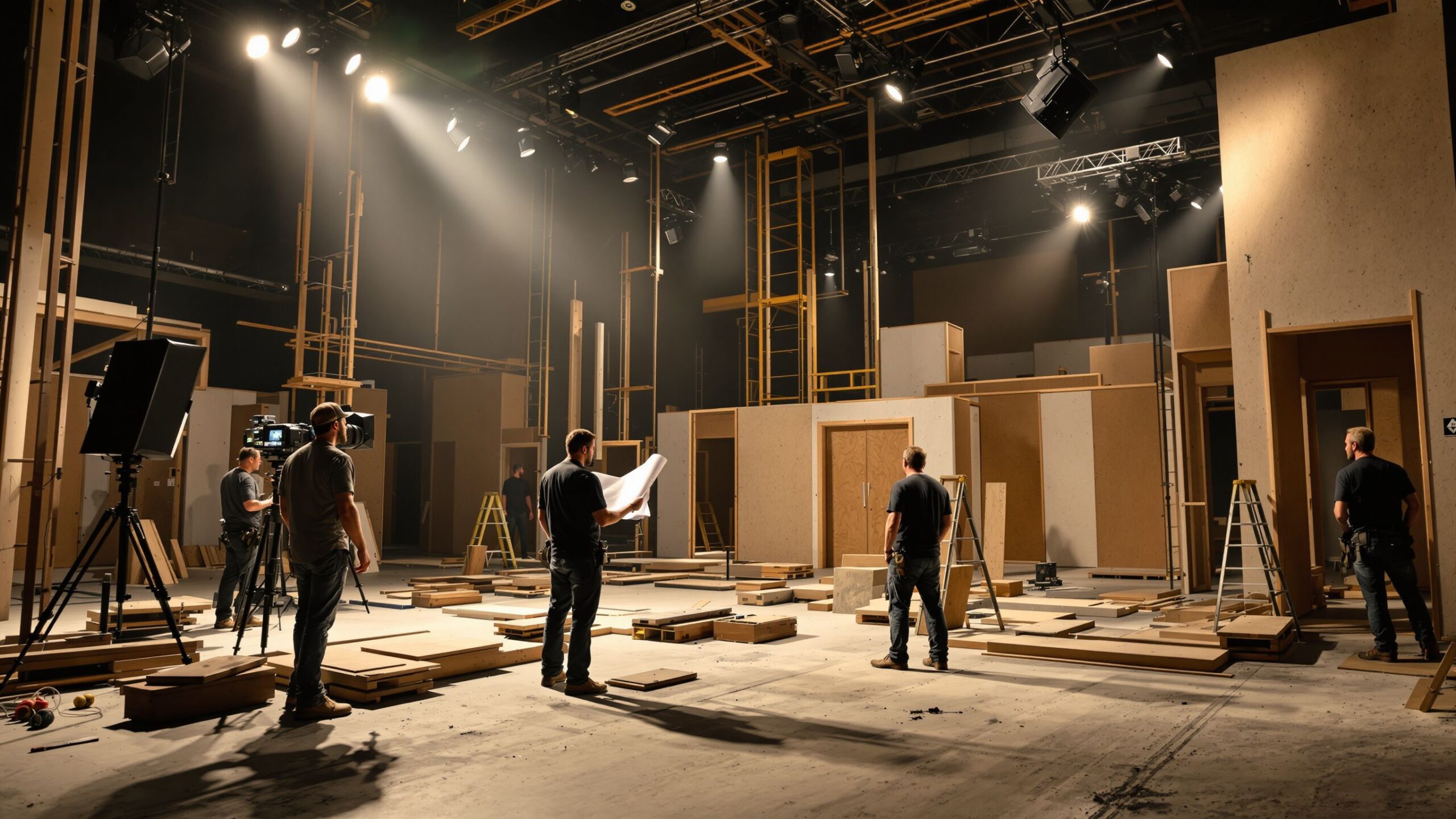
Creating a compelling set is not the work of a single person but a collaborative effort involving multiple departments. Production designers, art directors, set decorators, prop masters, and construction teams all contribute to the final result. Each role is essential, and their combined efforts ensure that the set is both visually striking and functional for filming.
Collaboration extends beyond the art department. Cinematographers work closely with set designers to ensure that spaces are lit effectively and framed in a way that enhances the story. Costume designers coordinate colors and textures so that characters blend seamlessly into their environments or stand out when necessary. Directors guide the overall vision, ensuring that every element supports the narrative.
This teamwork is what allows set design to achieve its full potential. When all departments are aligned, the result is a cohesive world that feels intentional and immersive.
The Balance Between Practical and Digital
Modern filmmaking often involves a blend of practical sets and digital enhancements. While computer-generated imagery has expanded the possibilities of what can be shown on screen, practical set design remains a vital component of the filmmaking process. The most effective films often combine the two, using physical sets as a foundation and digital effects to extend or enhance them.
Practical sets provide a sense of scale and authenticity that can be difficult to replicate digitally. They give actors a real environment to interact with, which can improve performance and create more believable scenes. Digital effects, on the other hand, allow filmmakers to push beyond physical limitations, adding elements that would be impossible or impractical to build.
The key is balance. When used thoughtfully, digital enhancements can complement practical sets without overshadowing them. This integration creates a seamless experience where audiences cannot easily distinguish between what is real and what is digitally created.
Historical Accuracy and World-Building
In period films, set design plays a crucial role in recreating specific moments in history. Designers must research architecture, furniture, and everyday objects from the time period to ensure authenticity. Even small details, like the style of door handles or the placement of household items, can contribute to the overall credibility of the setting.
Historical accuracy is not just about aesthetics; it is about storytelling. The environment must reflect the social, cultural, and economic conditions of the time. A wealthy household in the 19th century will look very different from a working-class home, and these differences can influence how characters interact and behave.
At the same time, designers often make creative choices to enhance the narrative. While accuracy is important, it may be adjusted to support the film’s themes or visual style. The goal is not to create a museum replica but to craft a world that feels authentic while serving the story.
The Psychology of Space in Film
Set design also taps into the psychology of space, influencing how audiences perceive and respond to a scene. The size and layout of a set can affect the sense of tension or intimacy. Tight, enclosed spaces can create feelings of claustrophobia, while expansive environments can evoke freedom or isolation.
The arrangement of objects within a space can guide the viewer’s attention. Strategic placement of props and architectural elements can lead the eye to important details or create visual balance. This subtle manipulation of space helps direct the audience’s focus without overtly drawing attention to itself.
Designers also consider how characters move within a set. The layout must support the blocking of scenes, allowing actors to interact naturally with their environment. This interplay between space and movement adds another layer of storytelling, as the way characters navigate a set can reveal their emotions and intentions.
Iconic Set Designs and Their Impact
Throughout film history, certain set designs have become iconic, shaping the way audiences remember and interpret a movie. These environments often transcend the film itself, becoming cultural touchstones that are instantly recognizable. Their success lies in their ability to capture the essence of the story in a single visual space.
Iconic sets often combine strong visual identity with narrative significance. They are not just beautiful or elaborate; they are deeply connected to the themes and characters of the film. This connection is what makes them memorable, allowing them to resonate with audiences long after the credits roll.
These designs also influence future filmmakers, setting new standards for creativity and innovation. They demonstrate the power of set design to elevate a film, turning it into a fully realized world that audiences can step into.
The Evolution of Set Design in Modern Cinema
Set design has evolved significantly over the years, adapting to new technologies and changing audience expectations. In the early days of cinema, sets were often simple and theatrical, designed primarily to serve as a backdrop for the action. As filmmaking techniques advanced, so did the complexity and realism of sets.
Today, set design is more sophisticated than ever, incorporating advanced materials, construction techniques, and digital tools. Virtual production technologies, such as LED stages, allow filmmakers to create dynamic environments that can change in real time. These innovations offer new possibilities for storytelling, enabling designers to experiment with scale, lighting, and perspective in ways that were previously impossible.
Despite these advancements, the fundamental principles of set design remain the same. The goal is still to create a believable world that supports the story and engages the audience. Technology may change the tools, but the artistry and creativity behind set design continue to be its driving force.
Why Set Design Matters More Than Ever
In an era where audiences are exposed to a constant stream of visual content, set design plays a critical role in making films stand out. A well-crafted environment can capture attention, enhance storytelling, and create a lasting impression. It is one of the key elements that distinguishes a memorable film from a forgettable one.
Set design also contributes to the overall cinematic experience, working in harmony with other elements such as sound, performance, and editing. It creates a sense of immersion that allows audiences to lose themselves in the story. When done effectively, it becomes invisible, seamlessly blending into the narrative while subtly guiding the viewer’s emotions.
As filmmaking continues to evolve, the importance of set design remains constant. It is the foundation upon which movie worlds are built, shaping the way stories are told and experienced. Without it, even the most compelling narratives would lack the depth and realism needed to truly come alive.
Conclusion: The Art That Makes Worlds Real
Set design is more than just decoration; it is a vital component of cinematic storytelling. It transforms ideas into physical spaces, turning imagination into reality. Through careful planning, creativity, and collaboration, set designers create environments that feel authentic, immersive, and emotionally resonant.
Every detail, from the placement of a single object to the construction of an entire city, contributes to the overall impact of a film. These elements work together to build worlds that audiences can believe in, even if only for a few hours. In doing so, set design fulfills one of cinema’s greatest promises: the ability to transport us somewhere else entirely.
As viewers, we may not always notice the work that goes into creating these environments, but we feel their presence in every frame. They shape our experience, influence our emotions, and bring stories to life in ways that words alone cannot achieve. That is the magic of set design—a hidden art that makes movie worlds real.