Every unforgettable movie begins with a vision, but turning that vision into something audiences can see and feel requires a master of visual storytelling. Production designers are the architects behind cinema’s most immersive worlds, responsible for transforming words on a page into fully realized environments. Their work goes far beyond decoration; it involves crafting entire universes that support narrative, define character, and shape the emotional experience of a film. From the earliest concept sketches to the final details on set, production designers guide the creation of worlds that feel authentic, cohesive, and alive.
A: A production designer creates the overall visual world of a film, including sets, locations, colors, textures, props, and atmosphere.
A: Set design is part of production design, but production design covers the broader visual world of the entire project.
A: They start with story, research, rules, sketches, references, models, construction plans, and detailed set dressing.
A: Rules make fantasy, sci-fi, and stylized worlds feel consistent, believable, and emotionally grounded.
A: Yes. Sets, costumes, props, and color palettes must work together so the world feels unified.
A: A mood board is a collection of images, colors, textures, and references that guides the look and feeling of a project.
A: Often both. Physical sets give actors reality, while digital tools expand scale and imagination.
A: Small details make a world feel lived in, personal, and believable instead of empty or decorative.
A: Absolutely. Design can reveal character, foreshadow danger, show history, and shape emotion.
A: It feels original, coherent, emotional, and so real that viewers believe the world exists beyond the frame.
From Script to Vision: The First Step in World-Building
The journey of a production designer begins with the script. Before a single set is built or a prop is chosen, the designer carefully analyzes the story to understand its tone, themes, and setting. Every detail in the script offers clues about the world that needs to be created, from the time period and location to the emotional atmosphere of each scene.
This process involves translating abstract ideas into visual concepts. Production designers often create mood boards, sketches, and reference collections to explore how the world should look and feel. They consider color palettes, architectural styles, and cultural influences, building a visual language that will guide the entire film. This early stage is crucial, as it establishes the foundation for all design decisions moving forward.
Collaboration with the director is essential during this phase. Together, they refine the vision, ensuring that the visual world aligns with the story being told. This partnership shapes the identity of the film, influencing everything from set design to costume choices.
Research and Inspiration: Building Believable Worlds
Creating a convincing world requires more than imagination; it demands thorough research and attention to detail. Production designers study real-world environments, historical periods, and cultural elements to ensure authenticity. Even in fantasy or science fiction films, elements of reality are often used as a foundation for design.
Research might involve visiting locations, analyzing photographs, or consulting experts. Designers look at how people live, how spaces are used, and how environments evolve over time. This information helps them create worlds that feel grounded and believable, even when they are entirely fictional.
Inspiration can come from anywhere, including art, architecture, and everyday life. By combining these influences, production designers develop unique visual identities that set each film apart. This blend of research and creativity allows them to build worlds that resonate with audiences.
Designing the Blueprint: Concept Art and Visualization
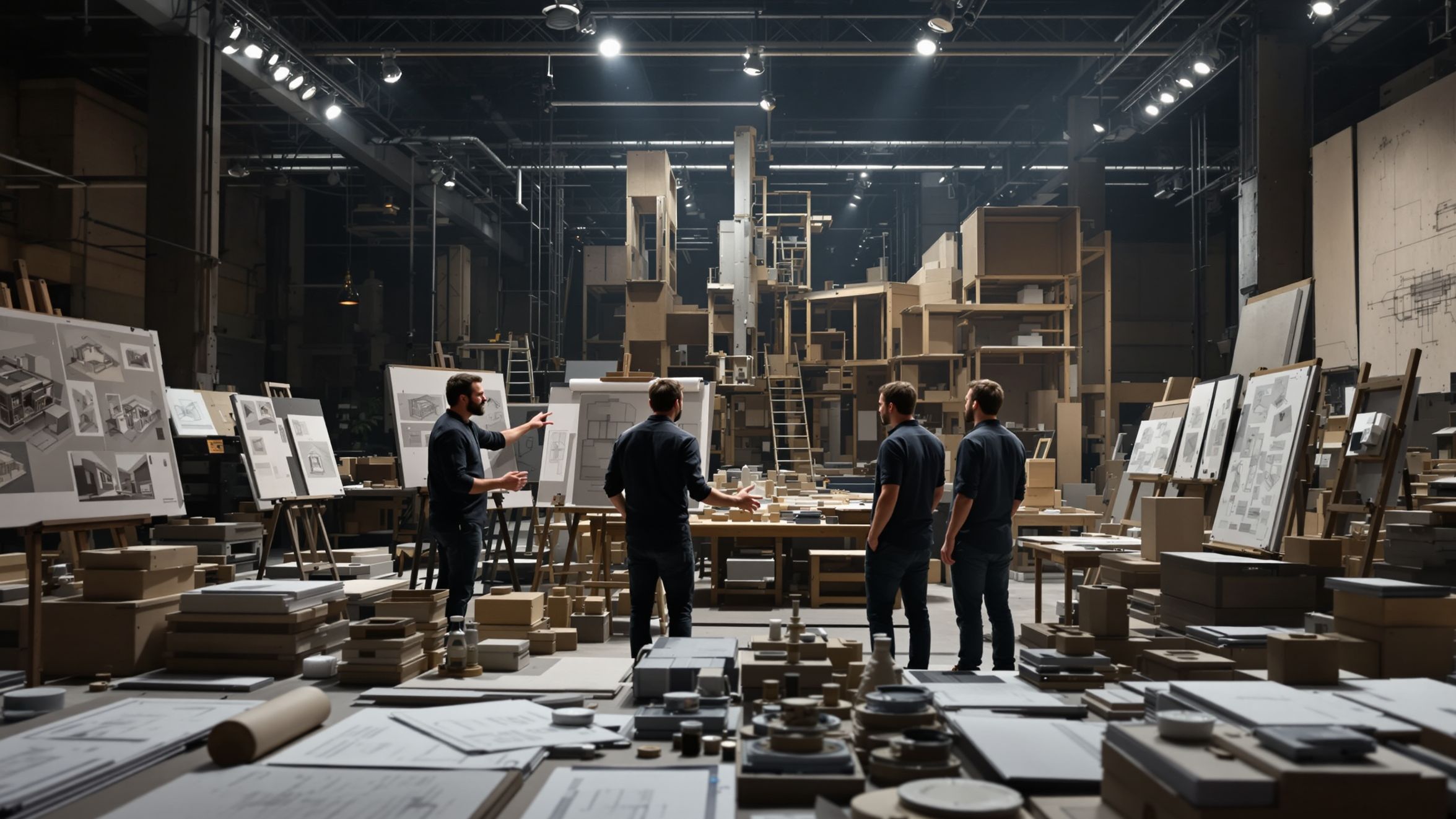
Once the vision is established, production designers work with concept artists to create detailed visual representations of the film’s world. These illustrations serve as blueprints, guiding the construction of sets and the selection of locations. They allow filmmakers to visualize how each environment will appear on screen before it is built.
Concept art often includes multiple variations of a single location, exploring different layouts, color schemes, and design elements. This iterative process helps refine ideas and solve potential challenges early on. It also provides a reference point for other departments, ensuring consistency across the production.
Advancements in technology have enhanced this stage of the process. Digital tools allow designers to create 3D models and virtual environments, offering a more immersive way to explore and refine designs. These tools enable filmmakers to experiment with scale, lighting, and perspective, making it easier to bring complex worlds to life.
Constructing the World: From Plans to Physical Sets
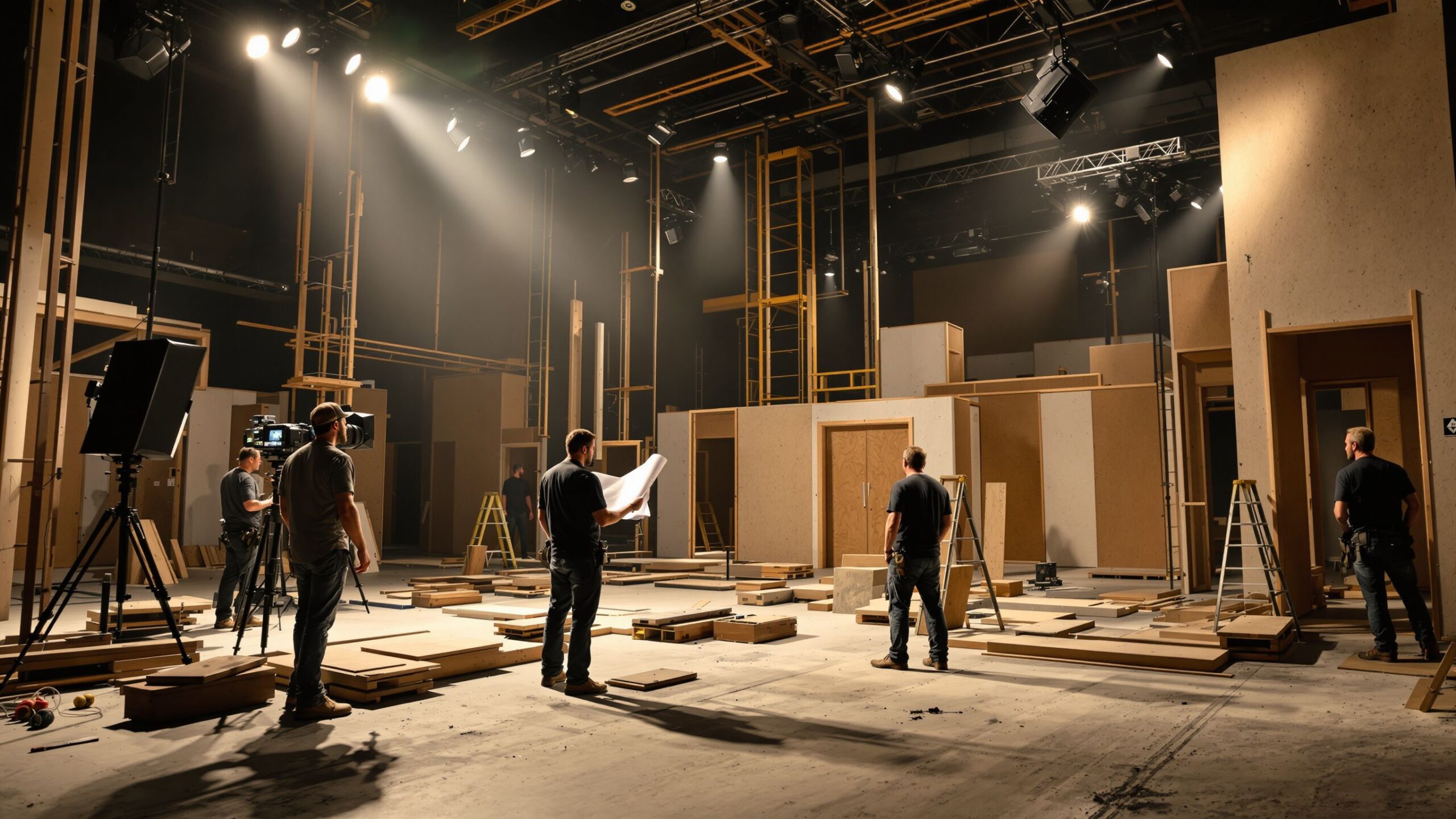
With the designs finalized, the focus shifts to construction. Set builders, carpenters, and artisans work together to transform concepts into physical environments. This stage requires a balance of creativity and practicality, as sets must not only look realistic but also function effectively for filming.
Production designers oversee this process, ensuring that every detail aligns with the original vision. They collaborate with art directors and construction teams to bring the designs to life, making adjustments as needed. Materials are carefully chosen to achieve the desired look and feel, whether it’s aged wood, polished metal, or textured stone.
The scale of set construction can vary widely, from small interior spaces to massive outdoor environments. Some sets are built entirely from scratch, while others are created by modifying existing locations. Regardless of the approach, the goal is to create a cohesive world that feels authentic and immersive.
The Role of Props and Set Dressing
A set is more than its walls and structures; it is brought to life through the objects within it. Props and set dressing play a crucial role in adding detail and personality to an environment. Every item, from furniture to decorative objects, contributes to the overall story.
Set decorators and prop masters work closely with production designers to select and arrange these elements. They consider how objects reflect the characters who use them, as well as the history of the space. A well-dressed set feels lived-in, with layers of detail that suggest a deeper narrative.
Props can also serve as storytelling tools, revealing information about characters and plot. A single object can hint at a character’s past, foreshadow future events, or reinforce themes. These subtle details enrich the viewing experience, adding depth to the film.
Integrating Technology: Practical and Digital Worlds
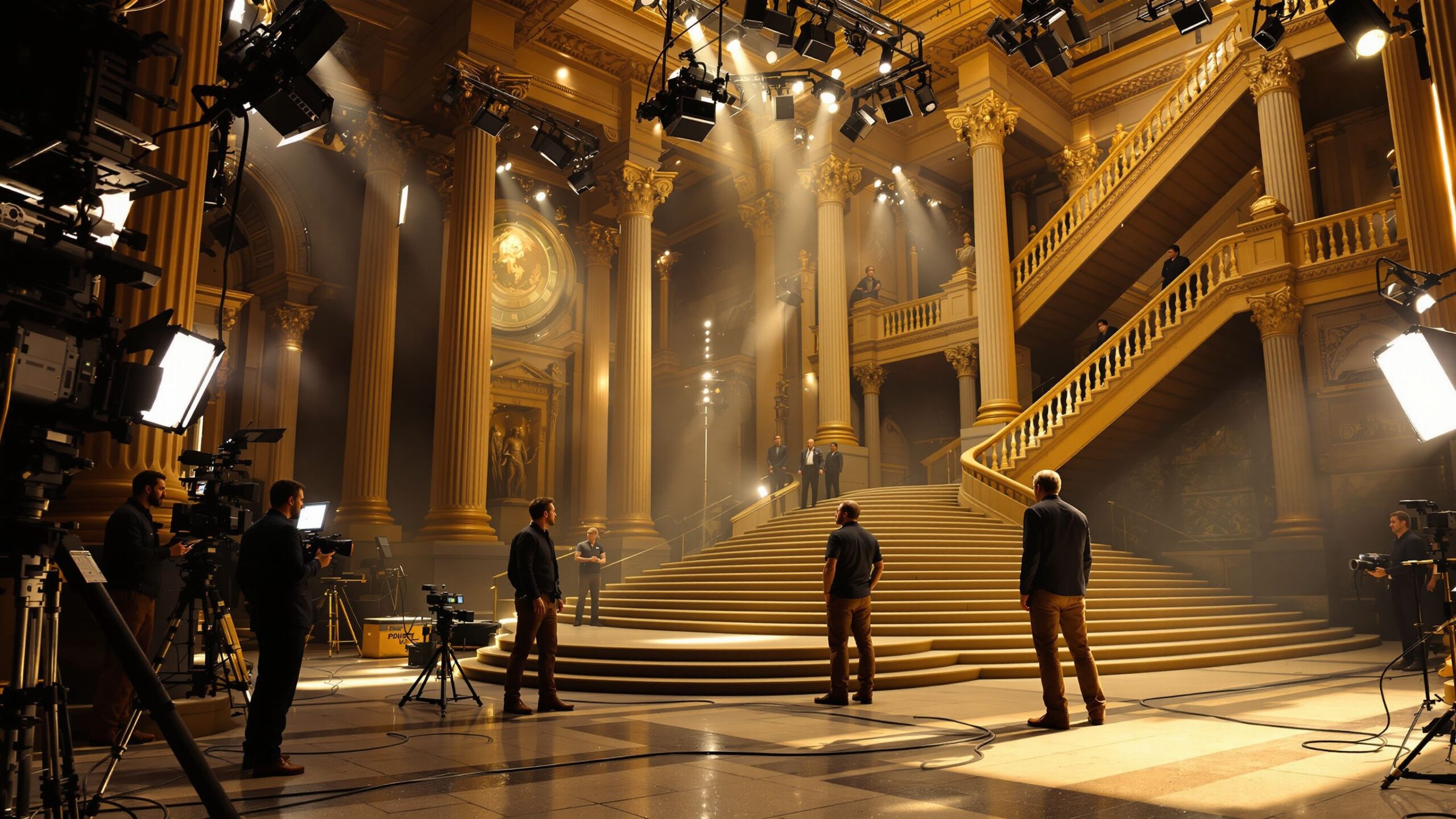
Modern filmmaking often combines practical sets with digital enhancements. While physical environments provide authenticity, digital tools allow designers to expand and refine these worlds. This integration creates a seamless blend of reality and imagination.
Production designers collaborate with visual effects teams to ensure consistency between practical and digital elements. They plan how sets will be extended or enhanced, considering factors such as lighting, perspective, and scale. This coordination is essential for creating believable environments.
Virtual production technologies, such as LED stages, have revolutionized the way worlds are created. These systems allow filmmakers to display digital environments in real time, providing actors with a more immersive experience. This approach enhances realism and offers new creative possibilities.
Collaboration Across Departments
Creating a cinematic world is a collaborative effort that involves multiple departments working together. Production designers coordinate with cinematographers, costume designers, and directors to ensure a cohesive visual style. Each department contributes to the overall look and feel of the film.
Cinematographers work closely with designers to plan how sets will be lit and filmed. Costume designers ensure that characters’ clothing complements the environment, creating a harmonious visual palette. Directors guide the process, ensuring that every element supports the story.
This collaboration is essential for achieving a unified vision. When all departments are aligned, the result is a world that feels seamless and believable, enhancing the overall cinematic experience.
Adapting to Story and Character
Production design is not static; it evolves with the story. As characters change and narratives progress, the world around them may also shift. Production designers use these changes to reflect character development and thematic arcs.
A space might become darker or more chaotic as a story intensifies, or it may gain warmth and detail as characters grow. These visual changes add depth to the narrative, reinforcing emotional beats and enhancing storytelling.
Designers must remain flexible, adapting their work to meet the needs of the story. This dynamic approach ensures that the world remains engaging and relevant throughout the film.
The Challenges of Creating Worlds From Scratch
Building entire worlds is a complex and demanding process. Production designers must balance creative vision with practical constraints, including budget, time, and physical limitations. They must solve problems quickly, often finding innovative solutions to unexpected challenges.
One of the biggest challenges is maintaining consistency. Every element of the world must align with the established vision, from large-scale sets to small details. This requires careful planning and attention to detail.
Despite these challenges, the rewards are significant. Successfully creating a world from scratch allows filmmakers to tell stories in ways that would otherwise be impossible. It opens up new possibilities for creativity and storytelling.
Why Production Design Is Essential to Cinema
Production design is a fundamental aspect of filmmaking that shapes how stories are told and experienced. It provides the visual context for the narrative, helping audiences understand and connect with the world on screen. Without it, films would lack depth, realism, and emotional impact.
Great production design enhances every aspect of a film, from performance to cinematography. It creates an immersive experience that draws audiences into the story, making them feel like they are part of the world. This level of engagement is what makes cinema so powerful.
Production designers are the unsung heroes of filmmaking, crafting the environments that bring stories to life. Their work may not always be visible, but its impact is undeniable.
Conclusion: The Architects of Imagination
Production designers are the architects of cinematic worlds, transforming ideas into tangible environments that captivate audiences. Through research, creativity, and collaboration, they build worlds that feel real, even when they are entirely fictional.
From the first sketch to the final set, every step of the process is guided by a commitment to storytelling. These designers create spaces that reflect character, enhance emotion, and support narrative, making them an essential part of filmmaking.
In the end, the magic of cinema lies in its ability to transport us to new places and experiences. Production designers make that possible, turning imagination into reality and bringing entire worlds to life from scratch.