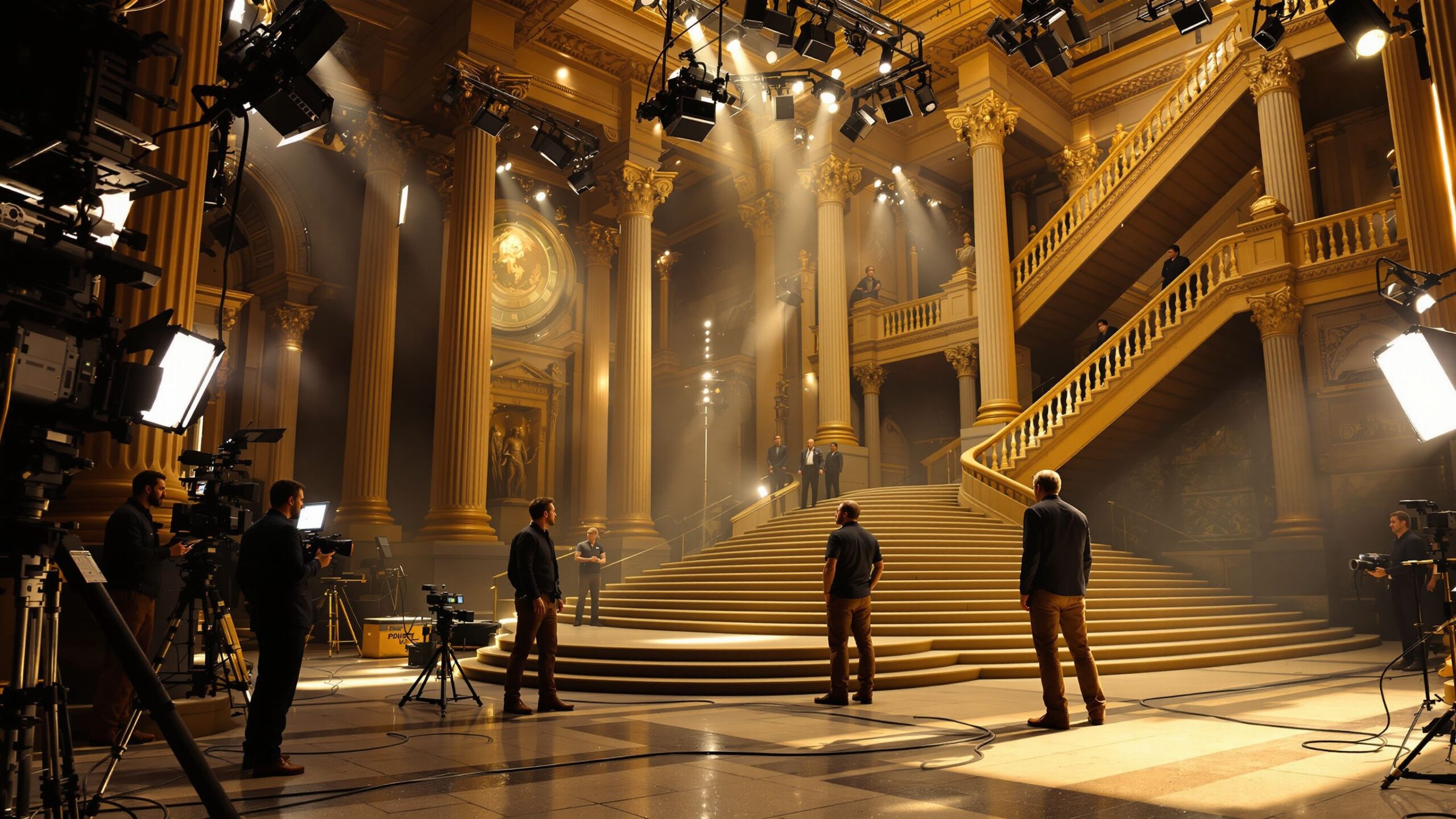
Technology Changed What Movies Could Imagine
Filmmaking technology changed movies forever because it expanded what filmmakers could capture, shape, and show. Every major technical shift has altered the relationship between imagination and production: sound changed performance, color changed visual emotion, lightweight cameras changed movement, digital editing changed rhythm, CGI changed scale, and virtual production changed how sets can exist around actors. Technology does not automatically make movies better, but it changes what is possible. It gives artists new tools, creates new problems, and raises audience expectations. The history of cinema is therefore not only a history of stories and stars. It is also a history of machines becoming expressive.
Cameras Changed Where Movies Could Go
Early cameras were heavy and restrictive, which shaped how scenes were staged. As cameras became lighter, quieter, and more flexible, filmmakers could move into streets, cars, crowds, and intimate spaces with greater freedom. Camera technology changed the physical grammar of movies.
Digital cameras pushed that freedom further. Longer takes, lower-light shooting, smaller crews, and immediate playback changed how directors and cinematographers worked. The image became more adaptable, though not automatically more meaningful.
Sound Transformed Performance
The arrival of synchronized sound changed acting, writing, and staging. Dialogue, music, and environmental sound gave movies new expressive layers. Performers had to adapt from silent-era physicality to vocal nuance, timing, and microphone awareness.
Later sound technology made movies more immersive. Stereo, surround formats, digital mixing, and detailed sound design turned theaters into emotional spaces. Sound became something audiences could feel around them, not only hear from the screen.
Editing Became More Flexible
Editing technology changed how stories are shaped after filming. Physical film editing required different rhythms of decision-making, while digital editing made experimentation faster. Editors could test structure, pacing, and transitions with more freedom.
This flexibility altered filmmaking culture. Directors could shoot more material, try alternate versions, and refine scenes deep into postproduction. The danger is endless tinkering, but the creative gain is enormous.
Visual Effects Expanded Scale
Practical effects, miniatures, optical compositing, and matte paintings had already stretched cinema before digital tools arrived. CGI expanded that tradition by allowing filmmakers to create creatures, worlds, destruction, and impossible camera movement with unprecedented control.
The most successful visual effects still depend on taste. Technology can show anything, but audiences believe images that serve story, weight, and emotion. The tool is powerful only when guided by cinematic judgment.
Virtual Production Changed the Set
Virtual production and LED volume stages allow filmmakers to surround actors with digital environments during filming. This can improve lighting, eyelines, and collaboration compared with imagining everything against a blank background.
The technology also changes planning. Directors, cinematographers, designers, and visual effects teams must make many decisions earlier. The set becomes a hybrid of physical and digital craft.
Technology Changed Audience Expectations
Audiences now expect images and sounds that earlier filmmakers could barely imagine. They also recognize weak digital work quickly. Technology raises the standard even as it expands the toolkit.
The best filmmakers use technology as a means, not a message. The goal remains the same as ever: make viewers believe, feel, and remember.
Technology has also changed who can make movies. Affordable cameras, editing software, digital sound tools, and online distribution lowered barriers for independent filmmakers. A story no longer requires the same industrial machinery to begin. This democratization has not removed every obstacle, but it has widened access to cinematic tools.
At the same time, new technology creates new forms of labor. Digital artists, data managers, virtual production supervisors, colorists, previs teams, and workflow specialists now shape movies in ways audiences rarely see. Filmmaking has become more technically layered, and collaboration has become more complex.
Color grading is one example of technology becoming expressive. Digital grading lets filmmakers refine mood, time of day, skin tones, contrast, and visual continuity with extraordinary precision. Used well, it supports story atmosphere. Used carelessly, it can make films feel overly processed or visually generic.
Technology also changes performance. Motion capture, facial capture, digital doubles, and virtual environments ask actors to perform under unfamiliar conditions. The best results come when technology supports human behavior rather than replacing it. Audiences still respond to intention, emotion, and timing.
The permanent lesson is that cinema evolves when tools and artistry learn to speak to each other. A new device may create excitement, but lasting change happens when filmmakers discover its dramatic language. Technology changed movies forever because it did not merely add spectacle. It changed how stories could be conceived, shot, edited, heard, and remembered.
Technological change in cinema is often described as a series of inventions, but its real importance lies in how those inventions changed habits. When cameras became more mobile, directors staged scenes differently. When microphones improved, performances could become more intimate. When editing became digital, filmmakers could test structure with new speed. The tool mattered because it changed behavior.
Sound is one of the clearest examples. It did not simply add voices to silent images. It transformed screen acting, screenwriting, music, theater architecture, and audience expectation. Suddenly a pause, accent, whisper, song, door slam, or offscreen noise could carry story. Cinema became an audiovisual form in a deeper sense, and every later sound technology expanded that inheritance.
Color changed movies in a different way. It gave filmmakers another emotional system: costume palettes, production design contrasts, symbolic lighting, and genre identity could all be shaped through hue. Later color processes and digital grading made that system more flexible. Color became not only something captured, but something sculpted.
Digital editing changed the relationship between shooting and discovering. Editors could experiment quickly, compare versions, restructure scenes, and refine pacing with fewer physical barriers. This freedom helped complex films find their shape, but it also demanded discipline. More options do not automatically create stronger storytelling. They require clearer judgment.
Visual effects technology expanded the visible world of movies, but it also changed planning. Shots could be designed in layers, combining practical sets, performers, miniatures, simulations, digital extensions, and compositing. The boundary between production and postproduction became more porous. A scene might begin on set and truly become itself months later.
Technology changed distribution and viewing as well. Digital projection, streaming platforms, online trailers, and affordable production tools altered how films reach audiences and how audiences discover them. The movie theater remains important, but cinema now lives across many screens. That shift changed business models and creative possibilities alike.
The most important point is that technology does not replace film language; it revises it. Filmmakers still need composition, performance, rhythm, sound, and emotional clarity. New tools become permanent only when artists find ways to make them expressive. That is how technology changed movies forever: by expanding the grammar of what a movie could be.
The future will keep adding tools, from real-time rendering to artificial intelligence-assisted workflows, but the old lesson remains. Audiences respond to technology when it helps them believe in a moment, feel a character’s pressure, or see a world with new intensity. The machine becomes cinematic only when it serves human experience.
Camera stabilization changed the feel of movement. Dollies, cranes, handheld rigs, Steadicam systems, drones, and digital stabilization all gave filmmakers new ways to move through space. Each tool carries a different emotional quality. A floating camera can feel dreamlike, a handheld camera can feel immediate, and a drone can make landscape feel newly available.
Makeup, prosthetics, and animatronics also belong to the story of technology. Long before digital creatures dominated conversations, practical craft changed what bodies could become onscreen. These tools gave fantasy, horror, science fiction, and historical drama tactile presence. Even now, practical and digital methods often work best together.
Lighting technology changed movies as profoundly as cameras. Faster film stocks, digital sensors, LED fixtures, lightweight units, and programmable systems altered where and how scenes could be lit. Naturalistic darkness, subtle color shifts, and complex interactive effects became easier to control. Light is technology becoming emotion.
Postproduction technology changed collaboration. A film can now involve editors, VFX vendors, sound designers, composers, and colorists working across locations with shared files and review systems. This changed schedules and creative relationships. The movie became a data flow as well as a physical production.
Technology also changed preservation and restoration. Older films can be scanned, repaired, color-corrected, and shared with new audiences. This matters because cinema’s technological future is tied to its past. Tools do not only create new images; they help protect old ones.
The central pattern is clear: every tool alters choices. Some changes are visible to audiences, while others reshape the workflow behind the scenes. Movies changed forever because technology repeatedly moved the line between impossible, difficult, affordable, and ordinary.
Technology also changed risk. Some images that once required dangerous practical setups can now be created with safer combinations of stunt work, digital extension, simulation, and compositing. This does not remove the need for physical filmmaking, but it can reduce exposure while preserving spectacle. Safety itself has become one of technology’s important creative contributions.
The relationship between technology and realism is not simple. New tools can make images more convincing, but they can also make movies feel artificial if used without physical logic. Audiences respond to weight, light, texture, and consequence. The best technological filmmaking remembers that realism is a feeling created by many coordinated details, not only by resolution or complexity.
Technology changed documentary and independent cinema as well. Smaller cameras, portable sound gear, affordable editing tools, and digital distribution allowed more filmmakers to work outside traditional studio systems. Stories that might once have been impossible to finance or physically capture became more reachable. The change affected not only blockbusters, but the entire ecosystem of moving images.
The story of movie technology is ultimately a story of expanded choice. Filmmakers can choose film or digital, practical or virtual, handheld or stabilized, natural light or programmable LEDs, theatrical release or online discovery. The abundance of choice is thrilling and demanding. It asks filmmakers to know not just what they can do, but why they are doing it.
That is why technology’s permanent impact is creative, not merely mechanical. It changed movies forever because it changed the questions filmmakers ask at every stage of production. How close can the camera get? What can the audience hear? What world can surround the actor? How can the impossible feel present? Each generation answers with new tools and old artistic responsibility.
Technology also changed training. Film crews now learn not only cameras, lights, sound, and sets, but data systems, digital color, virtual environments, and software-driven collaboration. The craft has widened. A modern filmmaker often needs to speak several technical languages while still thinking in story.
The audience does not need to know those languages, but they feel the results. A smoother camera move, cleaner soundscape, more convincing world, or restored classic film all carry the history of technological change. The tools disappear, but their influence remains in the way movies move, sound, and endure.
Every breakthrough becomes valuable only when filmmakers turn it into expressive screen behavior that supports character, rhythm, atmosphere, and memory.
That is where invention becomes cinema rather than machinery.