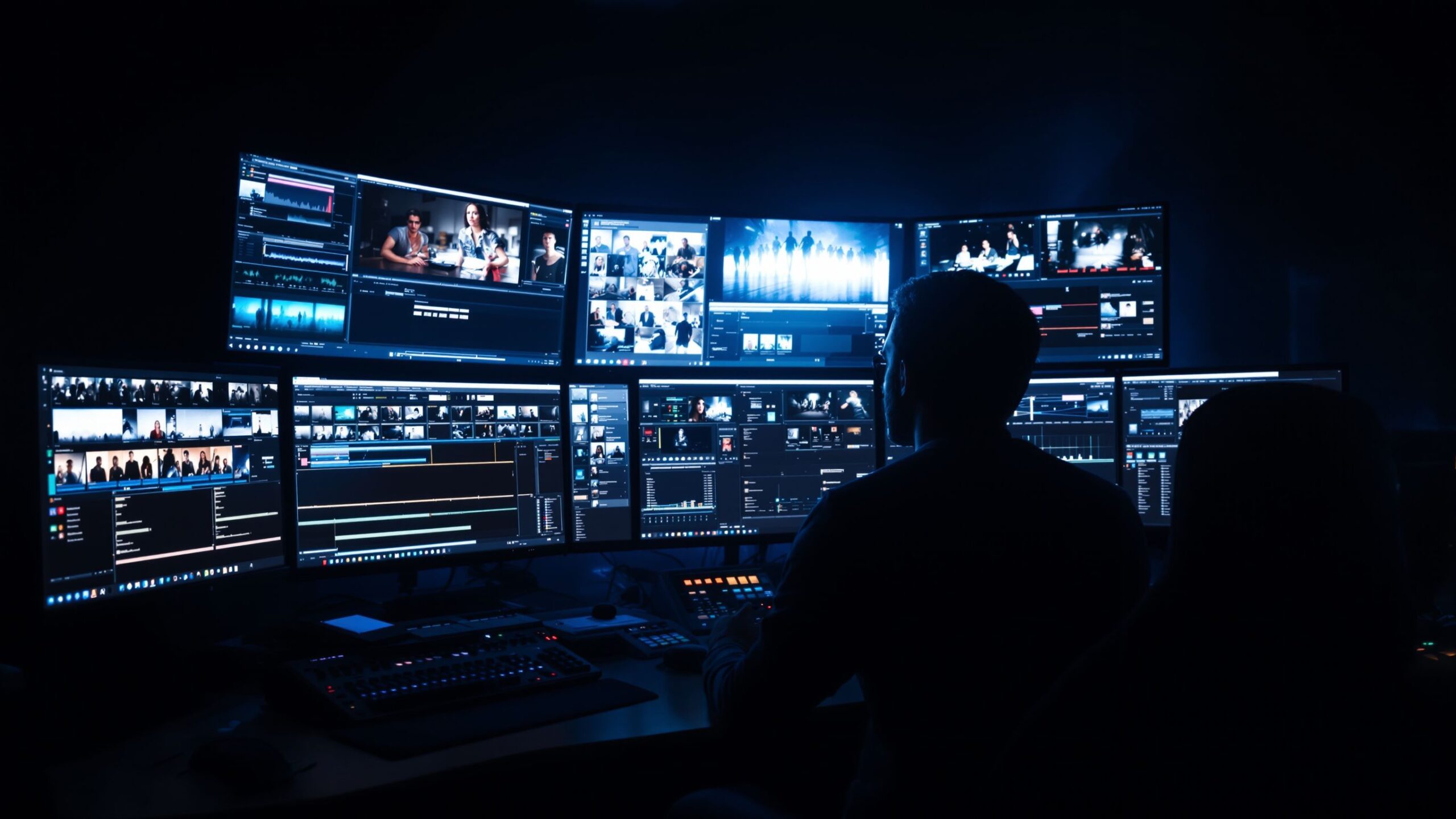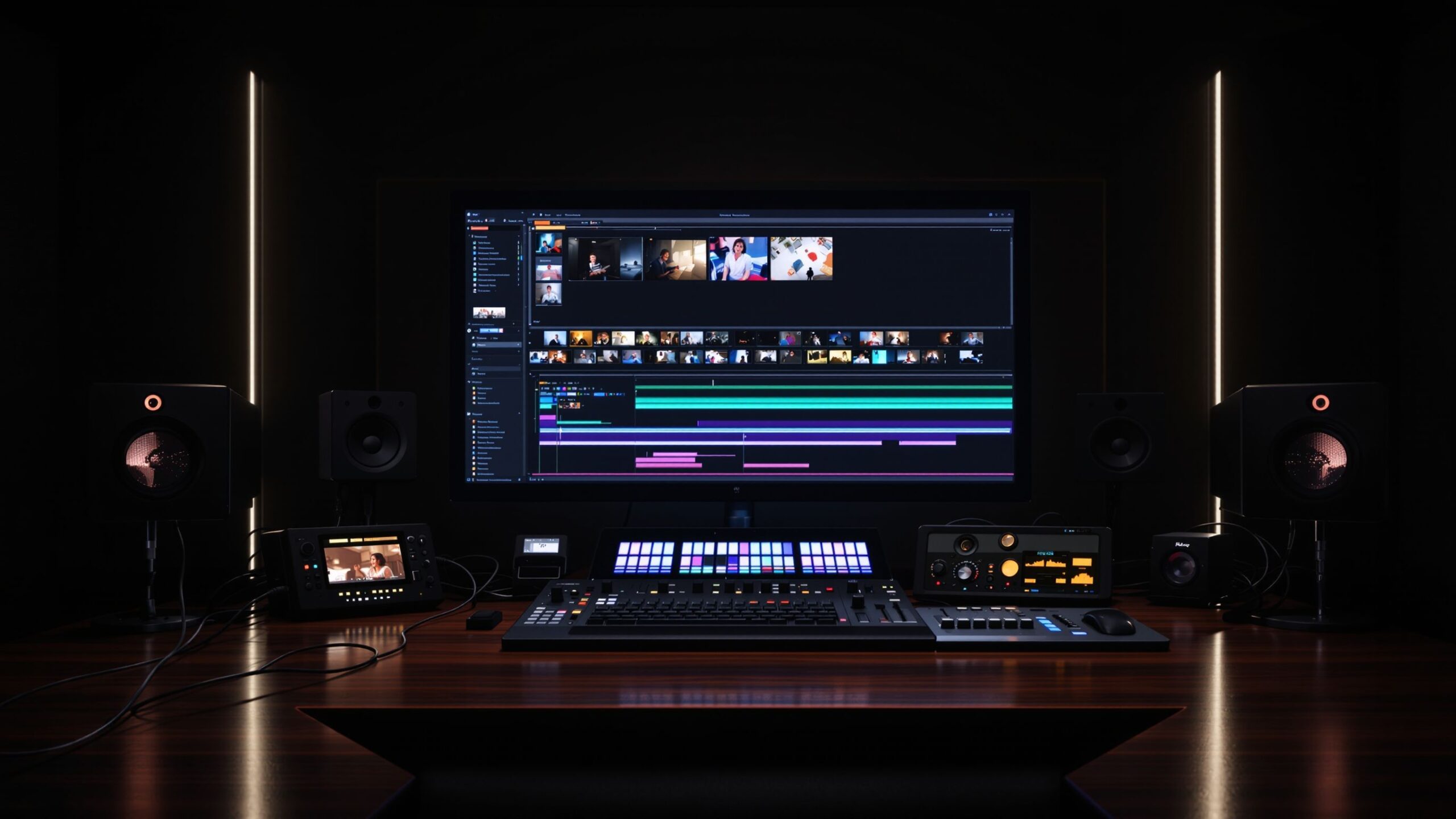
Film editing is one of the most influential forces in cinema, yet it remains almost entirely invisible to the average viewer. While audiences often credit directors, actors, or visual effects for a film’s emotional impact, the truth is that editing quietly orchestrates everything behind the scenes. It determines how a story flows, how tension builds, and how emotions land. Without drawing attention to itself, editing shapes the entire experience of a movie, guiding the audience moment by moment without them ever realizing it.
A: Editing controls story flow, emotion, timing, suspense, and how the audience understands each scene.
A: Yes. Choosing different takes, pauses, and reaction shots can completely reshape a performance.
A: Invisible editing hides the cuts so the audience stays focused on the story instead of the technique.
A: Shorter shots, quick transitions, urgent sound, and tight scene structure usually create speed.
A: Careful pacing, meaningful silence, strong visual choices, and emotional tension can make slow editing powerful.
A: A montage combines selected images to compress time, show progress, or build emotional meaning quickly.
A: It controls what the audience knows, delays answers, cuts between danger and reaction, and stretches key moments.
A: A jump cut skips forward within the same scene, creating a noticeable break in time or movement.
A: Yes. Picture editing and sound often work together through music, silence, ambience, and effects.
A: Because great editing feels natural, guiding attention and emotion without calling attention to itself.
The Art of Being Invisible
The most powerful editing is the kind that goes unnoticed. When viewers become aware of editing, it usually means something has disrupted their immersion. Skilled editors work with precision to ensure that cuts feel natural, transitions feel seamless, and the story unfolds effortlessly. This invisibility is not accidental; it is the result of countless deliberate decisions. Every cut is placed exactly where it needs to be to maintain flow and continuity. The audience may not consciously register these choices, but they feel their effects. The smoother the experience, the more effective the editing has been.
Guiding Emotion Without Words
One of the most remarkable aspects of film editing is its ability to control emotion without relying on dialogue or overt storytelling. By choosing when to cut and what to show next, editors shape how audiences feel about a scene. A lingering shot can deepen emotional connection, while a quick cut can inject urgency or anxiety. Reaction shots, in particular, play a critical role. A single glance, placed at the right moment, can completely shift the meaning of a scene. Through these subtle choices, editors guide viewers’ emotional responses in ways that feel organic and natural.
Controlling What the Audience Knows
Editing is fundamentally about information control. It determines what the audience sees, when they see it, and how much they understand at any given moment. By withholding or revealing details strategically, editors create intrigue and suspense. A scene can feel mysterious simply because certain pieces of information are delayed. Conversely, revealing too much too soon can diminish tension. The balance between clarity and mystery is carefully managed through editing. This control over information allows filmmakers to shape audience expectations and keep them engaged from beginning to end.
Creating Rhythm Beneath the Surface
Every film has an internal rhythm, and editing is what brings that rhythm to life. Even in scenes that appear calm or uneventful, there is a subtle cadence guiding the viewer’s attention. Editors often cut in ways that align with natural movements, dialogue patterns, or even breathing rhythms. This creates a sense of flow that feels intuitive rather than mechanical. When the rhythm is off, audiences may not know why a scene feels uncomfortable, but they will feel the disconnect. When it is right, the film moves with a sense of harmony that keeps viewers fully immersed.
The Illusion of Continuous Reality
Movies are built from countless individual shots, often filmed out of order, in different locations, and at different times. Editing is what stitches these pieces together into a seamless reality. Through careful matching of movement, lighting, and perspective, editors create the illusion that everything is happening in one continuous space and time. This illusion is so convincing that audiences rarely question it. The ability to construct a believable world from fragmented footage is one of editing’s greatest achievements, and it operates entirely behind the scenes.
Manipulating Time Without Detection
Editing has the unique ability to bend time without drawing attention to itself. Entire days, months, or years can pass in a matter of seconds, while a single moment can be stretched to heighten tension. These shifts in time feel natural because they are guided by storytelling needs rather than strict realism. Audiences accept these changes without question, allowing films to move efficiently while still delivering emotional depth. This manipulation of time is subtle but essential, enabling stories to unfold in ways that would be impossible in real life.
Enhancing Performance Through Selection
Even the strongest performances rely on editing to reach their full potential. Actors deliver multiple takes, each with slight variations, and editors choose the moments that best serve the story. By selecting specific expressions, pauses, and reactions, editors can refine and enhance a performance. They can emphasize vulnerability, strength, or tension simply by choosing which take to use and where to place it. In this way, editing becomes an extension of acting, shaping how characters are perceived without altering the original performance.
Building Tension in Silence
Some of the most powerful moments in film rely on what is not said or shown. Editing plays a crucial role in these moments by controlling silence and stillness. Holding on a shot just a little longer than expected can create discomfort or anticipation. Cutting away at the right moment can leave the audience hanging, eager to see what happens next. These techniques are especially effective in suspenseful scenes, where the absence of action becomes as important as the action itself. Through careful timing, editors can turn quiet moments into unforgettable experiences.
Shaping Genre Without Recognition
Different film genres rely on distinct editing styles, yet audiences rarely think about these differences consciously. Fast-paced cutting in action films creates excitement and intensity, while slower, more deliberate editing in dramas allows for emotional exploration. Comedies depend on precise timing to land jokes effectively, often relying on split-second decisions in the editing room. These stylistic choices define how a film feels, even if viewers are unaware of them. Editing becomes a silent language that communicates tone and mood across genres.
The Subtle Power of Transitions
Transitions between scenes may seem like minor details, but they have a significant impact on how a film feels. A simple cut can create a sense of immediacy, while a fade or dissolve can suggest the passage of time or a shift in mood. Editors choose transitions carefully to maintain flow and reinforce storytelling. When done well, these transitions are barely noticeable, yet they play a crucial role in guiding the audience through the narrative. They ensure that the film moves smoothly from one moment to the next without disrupting immersion.
Collaboration Hidden in the Final Cut
While editing is often associated with a single individual, it is deeply collaborative. Editors work closely with directors, cinematographers, and sound designers to shape the final product. This collaboration is rarely visible to audiences, but it is essential to the filmmaking process. The editor becomes the final storyteller, bringing together all elements into a cohesive whole. Through experimentation and refinement, they discover the best way to present the story. The final cut is not just a technical achievement but a creative one, reflecting the combined vision of the entire team.
Why Audiences Never Notice
The reason film editing remains hidden is because it is designed to be felt rather than seen. Its purpose is to support the story, not to draw attention to itself. When editing is successful, it disappears into the fabric of the film, allowing audiences to focus entirely on the narrative. This invisibility is what makes it so powerful. It operates on a subconscious level, influencing how viewers think and feel without them ever being aware of it.
The Unseen Force Behind Every Great Film
At its core, film editing is the silent architect of cinematic experience. It shapes every aspect of a movie, from pacing and emotion to structure and meaning. Without it, films would lack cohesion and impact. With it, they become immersive worlds that captivate audiences from beginning to end. The hidden power of editing lies in its ability to transform raw footage into something greater, guiding viewers through a carefully crafted journey without ever revealing the mechanics behind it. It is this quiet mastery that makes film editing one of the most essential and fascinating elements of filmmaking.